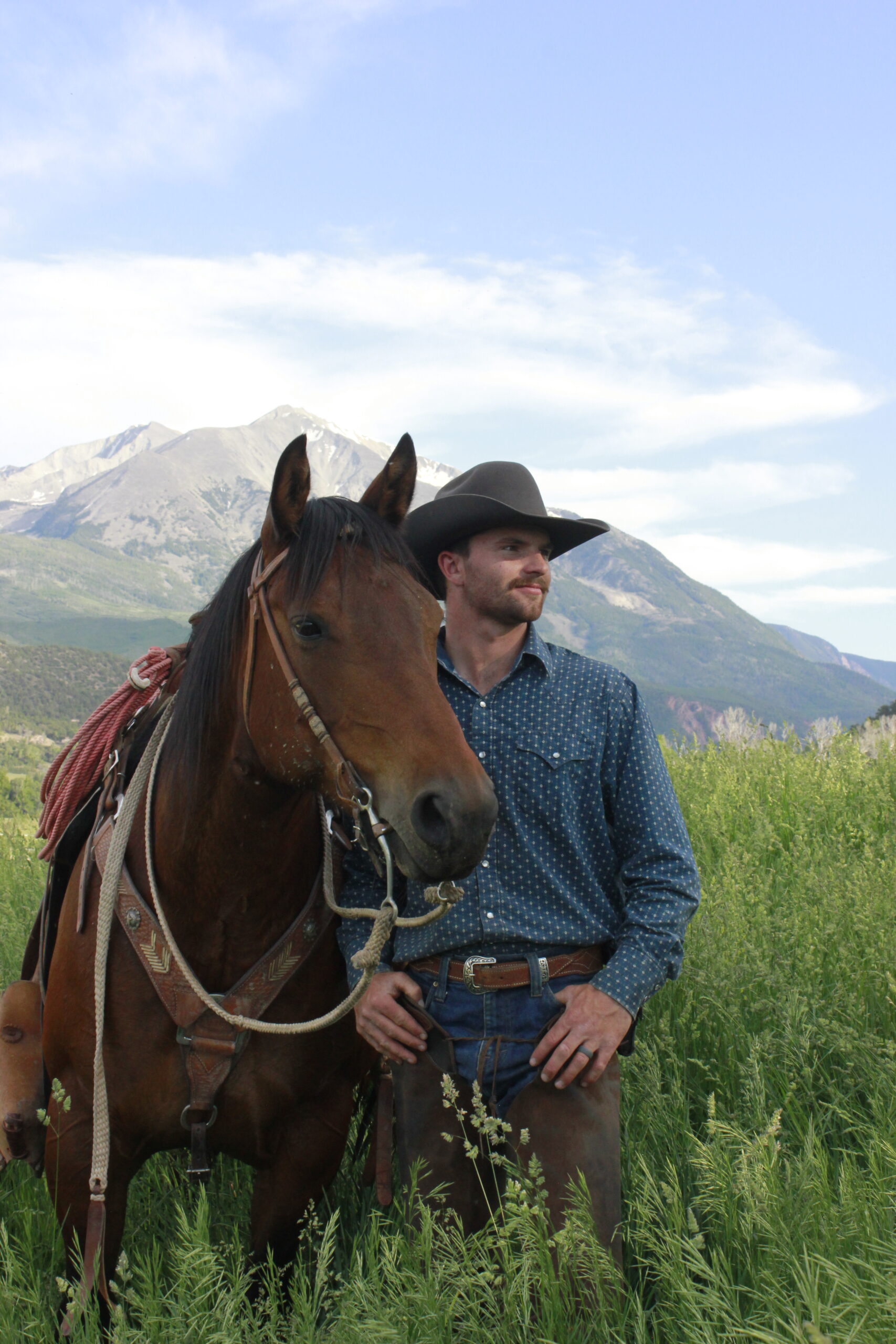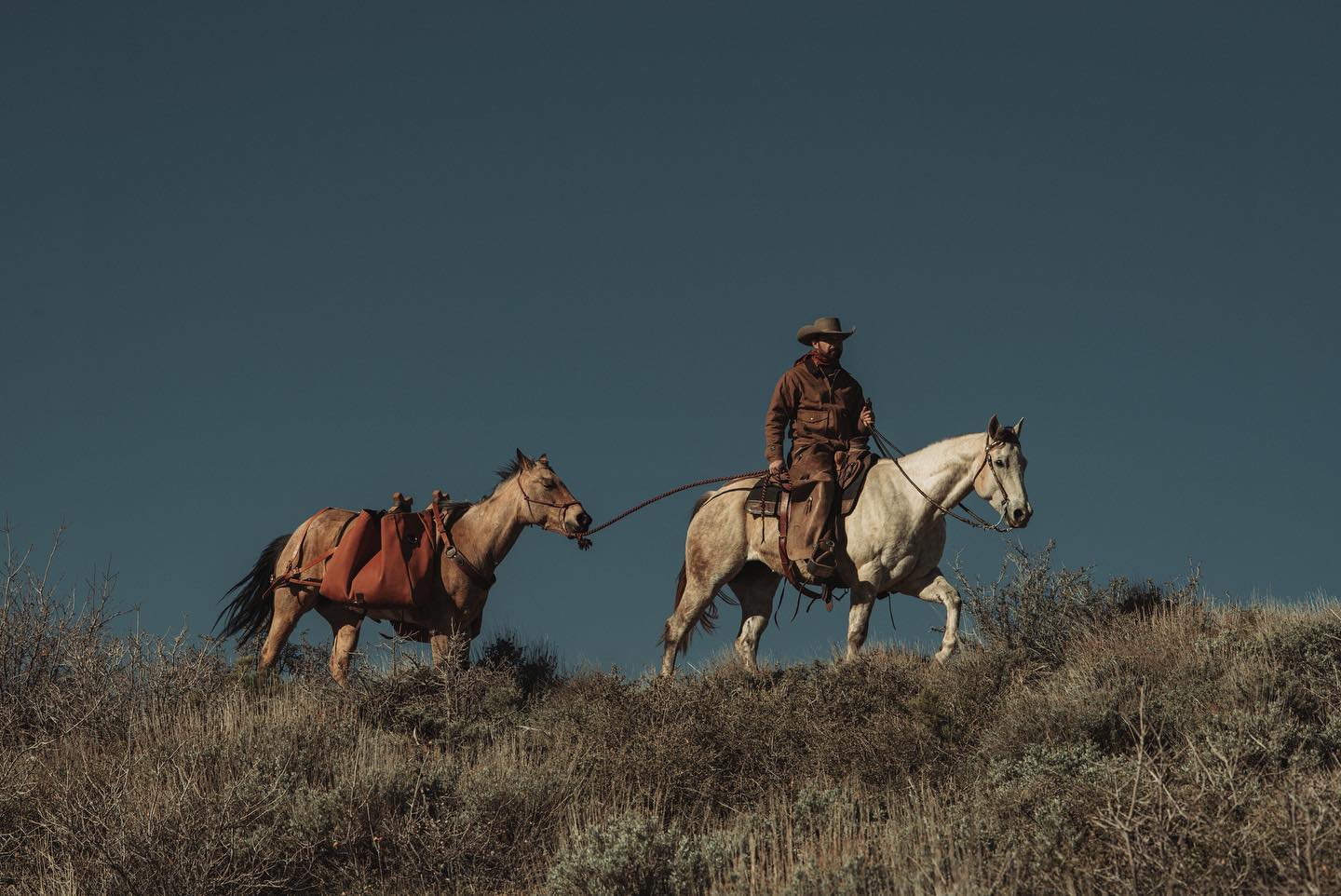
Chris Petersen’s story is one of grit, heart, and a deep connection to the Western way of life. Raised in the heart of the Rocky Mountains, Chris was immersed in cowboy culture from the start—his family roots in the Southwest date back to the 1850s, and his love for horses began before he could even talk. Over the years, that love grew into something more: a passion for music, photography, and storytelling that would ultimately shape his career.
Known for his authentic and original sound, Chris has gained a loyal following with a voice that’s both timeless and unmistakably his own. His breakout moment came with a standout performance on Season 15 of America’s Got Talent, where Simon Cowell called his work “brilliant.” Since then, his momentum hasn’t slowed. His album Cowboy Coming Home, produced by Trent Willmon, reached the Top 10 on the Billboard Mountain Region Heatseekers Chart. He went on to win Country Battle USA, taking home the $15,000 prize and solidifying his place as a rising force in country music.
But Chris isn’t just a musician. He’s a visual storyteller, a former gallery artist turned photographer, and the founder of Diehard Cowboy, a brand built around preserving and celebrating the western lifestyle. From viral hits like “Horse People” to the quiet, reflective moments captured in his photography, Chris uses every creative avenue to share a piece of the world he loves.
At the heart of it all is family. With the support of his wife, McKensie, Chris has been able to focus his efforts, refine his vision, and take his message across the country. In this interview, he opens up about the roots that shaped him, the journey he’s still on, and why preserving the spirit of the cowboy isn’t just a mission—it’s his life’s work.

Q: Having grown up in the Southwest, were you immersed in the western lifestyle from an early age? What was your childhood like?
Chris: Yes, absolutely. My family has been in this area since at least the 1850s, so the western lifestyle has always been part of our story. For as long as I can remember, I’ve been obsessed with horses. My parents say that at 18 months old, I would go wild whenever I saw one. I just fell in love early on, and any chance I had to be around horses, cows, and ranching, I took it. I didn’t just grow up around it; I lived it, loved it, and still do.
Q: As you grew into your teenage years, was there ever a moment you thought you might step away from that lifestyle?
Chris: Never. There was no other option in my mind; it’s who I am. Even though my dad didn’t necessarily want me to be a cowboy, he knew how rough it could be from his own experience, and I couldn’t help being drawn to it. No matter what, I was going to find a way to make it part of my life.
Q: That level of clarity from such a young age is rare. Alongside ranching and cowboy life, you’ve become known for your music. When did that love for music come into play?
Chris: Music has always been part of me. My dad was a singer, more operatic than country, but he loved Marty Robbins and Merle Haggard, so I grew up hearing those voices. When we’d be driving somewhere, I’d beg him to put on Merle or Glen Campbell. The first album I ever owned was by Chris LeDoux. That’s where it all started for me.

Q: When did you start writing your own music and lyrics?
Chris: Honestly, I’ve been creating lyrics in my head for as long as I can remember. I was probably seven years old, sitting in the backseat of the car, making up little songs to myself. It’s just always been something I did.
Q: You’re also a photographer and visual storyteller. How did that side of your creativity develop?
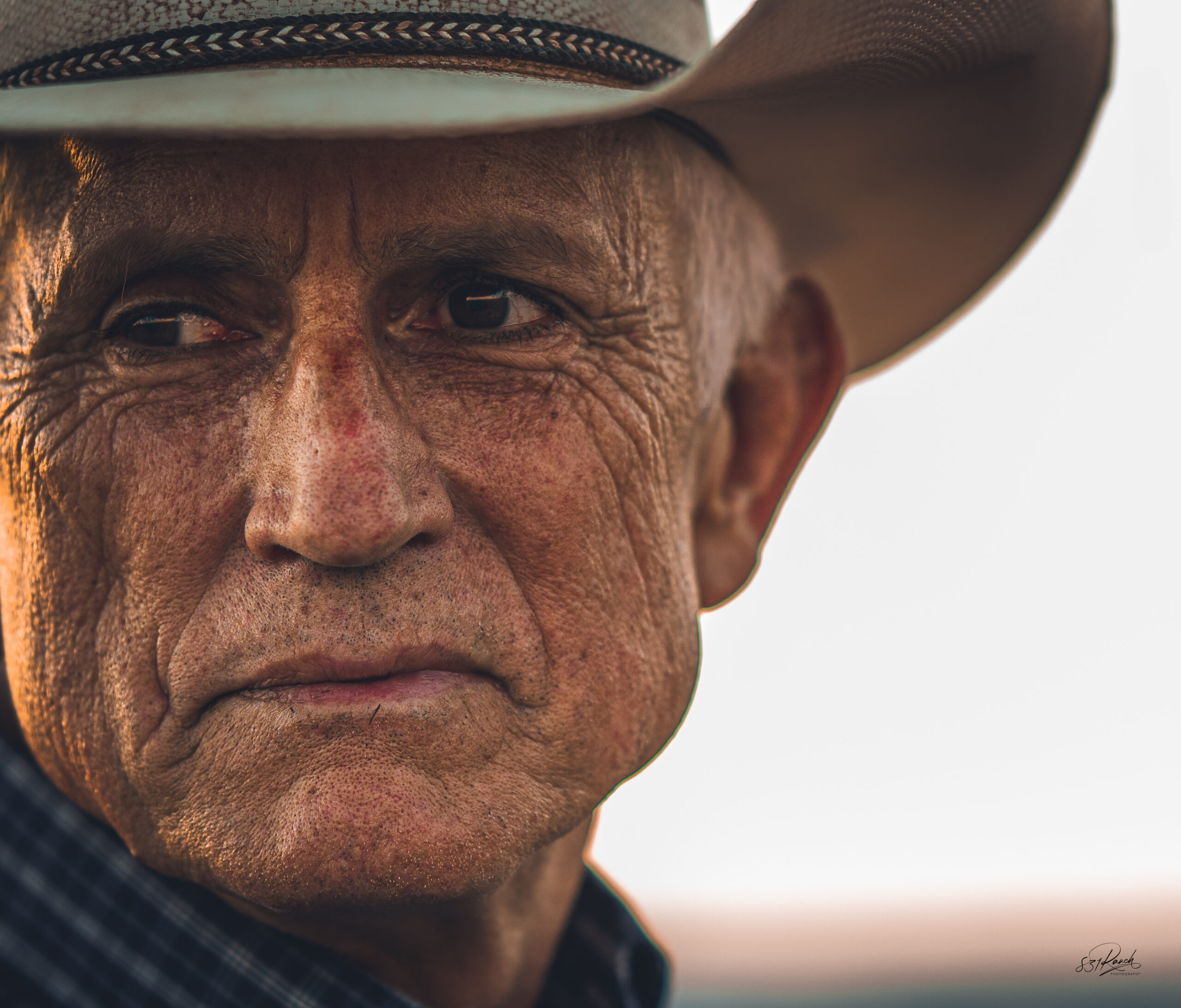
Chris: Before I ever picked up a camera, I was drawing. I started young, drawing horses, cowboys, and wildlife. In high school, I got serious about pen drawings, and after school, I even had some pieces in a gallery in Jackson, Wyoming. But the problem was, I got so attached to the drawings that I didn’t want to sell them. Eventually, I transitioned into video production for outdoor TV, and that’s when I picked up a DSLR camera. With photography, I could create art quickly, and it allowed me to return to the western themes I loved. That’s when I started selling photo prints at the NFR in Vegas. It brought everything full circle, capturing the western lifestyle in a way that was both immediate and meaningful.

Q: You wear a lot of hats, how have you managed to stay committed to so many creative pursuits and find success in all of them?
Chris: I think the key is doing what you truly love. These things, music, photography, ranching, they’re not just jobs. They’re my passions. When I commit, I go all in. But I also have to give credit to my wife. Before we got married, I was trying hard in all these areas, but it wasn’t very effective. After we married, she helped me get more focused and strategic. It’s been a team effort.
Q: Let’s talk about Diehard Cowboy. Where did that name and brand come from?
Chris: It actually started with a business I co-owned called Diehard Creative, where we did video production, marketing, photography, and web design. When I decided to branch off into western photography, I created a division called Diehard Cowboy under Diehard Productions. That’s when I started showing and selling my work at events like the NFR. It’s grown into a personal brand that now encompasses my photography, music, and western storytelling.
My goal has always been to preserve and share the Western way of life. I want people to feel something when they see one of my photos or hear one of my songs. Images and music are powerful—they can stir emotion and keep traditions alive. I’m just doing my part to honor my heritage and help others see the beauty in it.
Q: Your album, Cowboy Coming Home, hit the regional Billboard charts. Did that feel like a big moment of validation?
Chris: It absolutely did. It’s one thing when your family believes in you, but to have others recognize your work on that level was confirmation that I was on the right path. The music business is hard, no doubt about it. But I’m not in it chasing fame, I love the music and the message. I love the rodeo crowds, the small-town shows. Those are my people.

Q: You were also featured on Country Battle USA and ended up winning. How did that experience impact your career?
Chris: That was a turning point. Before that, I had been quietly writing and recording. In fact, my first album came out before most people even knew I could sing. I was reserved, nothing like my dad, who was the life of the party and always performing. But opening for Collin Raye early on helped me get over my fear. He told me I had something and encouraged me to pursue it. That really lit a fire in me.
Q: One of your songs, “Horse People,” went viral online. Was that planned or just a happy accident?
Chris: It was actually very intentional. My social media following had already grown through my photography and video work. When I had the idea for “Horse People,” I knew it would resonate because it’s funny, true, and super relatable. I wrote it with Trent Willmon, who also loves horses and western culture, and the whole thing just clicked. It lined up perfectly with my brand and audience, and the response was incredible.

Q: Final question, what does preserving the Western way of life mean to you?
Chris: It means everything. My ancestors crossed the Rockies on mules, built sawmills from scratch, and carved out a life in the wilderness. Everything they did was rooted in hard work, tradition, and the land. It would be a shame for all of that to be forgotten. Through music, photography, and storytelling, I just want to honor that legacy and make sure it’s not lost.
You can learn more about Chris and follow him online on his website: cpcountry.com or on socials @diehardcowboy_ and diehardcowboy.com.