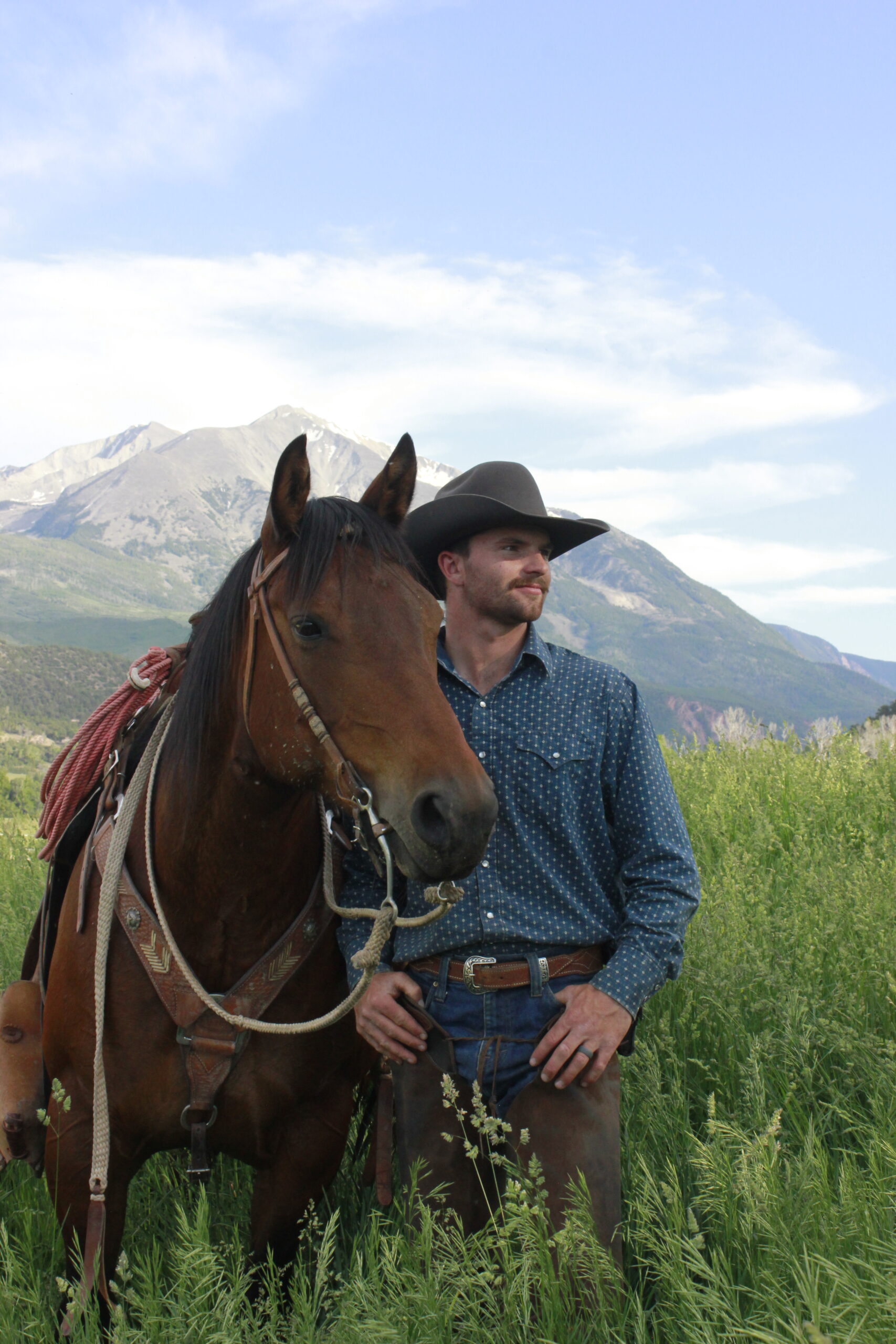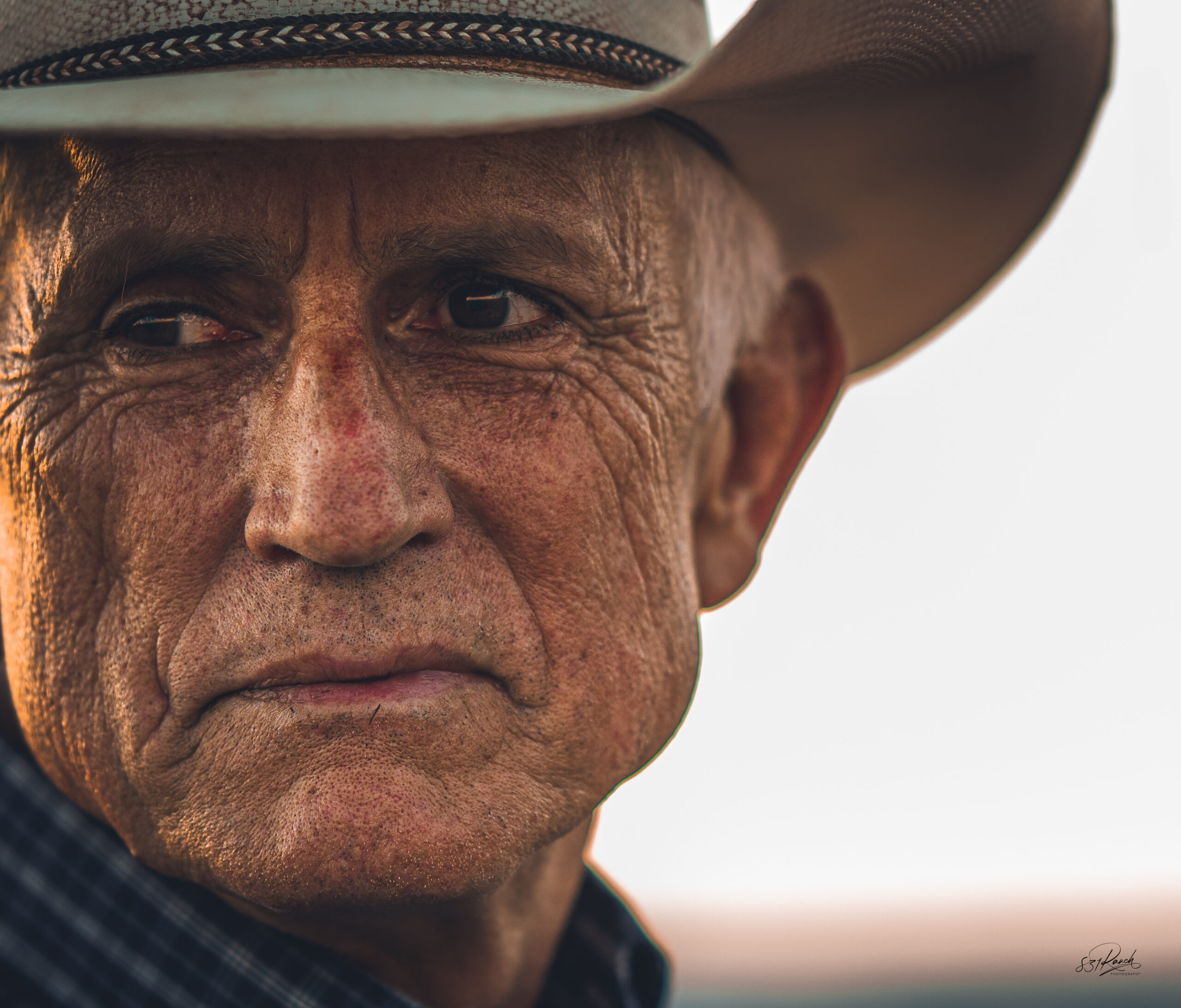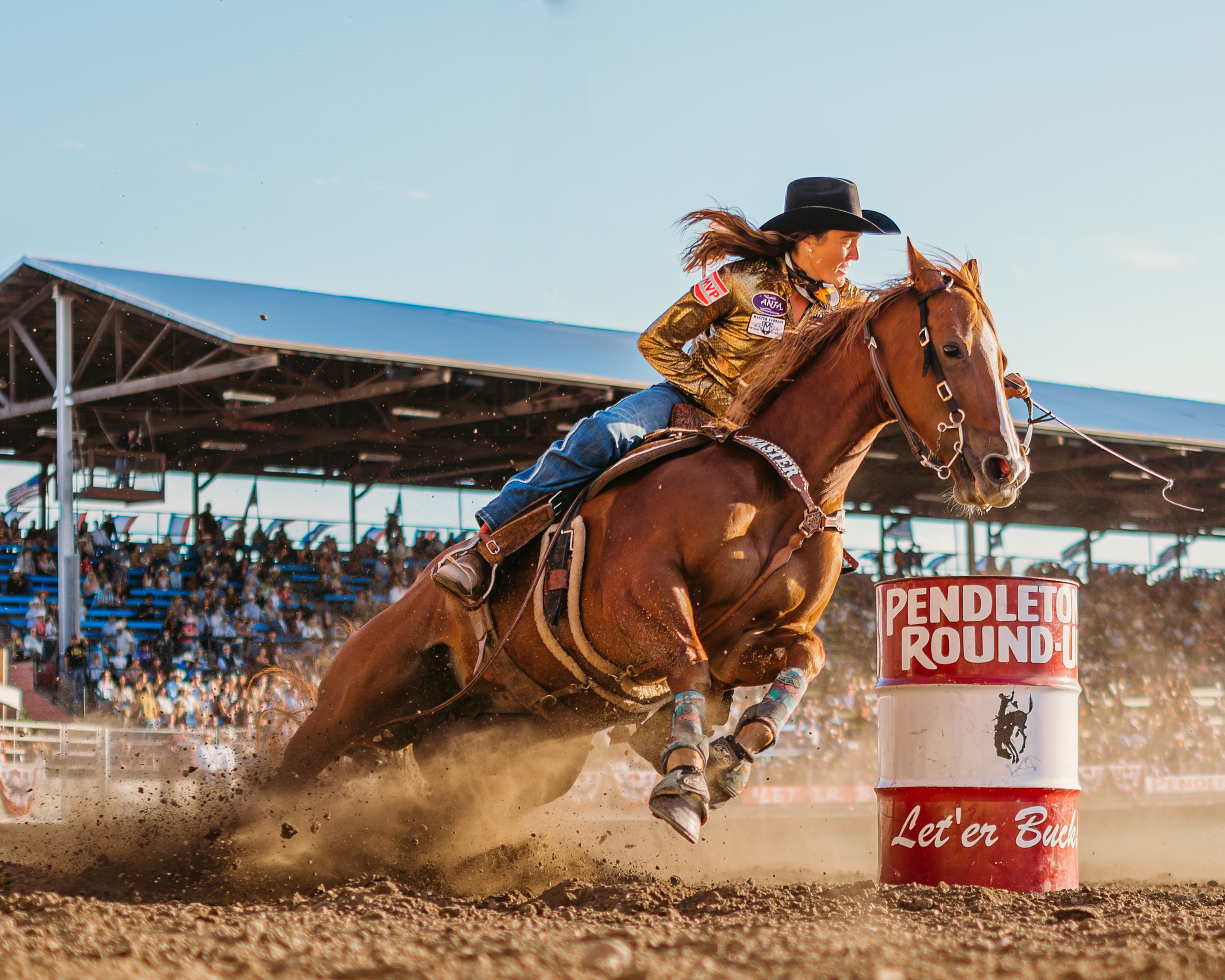
From the dust rising in the arena to the split-second intensity of eight seconds on a bull, photographer Alexis Cady of Wild Red Rodeo has a way of freezing the raw, unfiltered spirit of rodeo in every frame. Traveling across the country with a camera in hand, Alexis documents the stories unfolding both in and out of the spotlight, moments of triumph, tension, tradition, and heart. Her work doesn’t just showcase the action; it captures the soul of the sport and the people who live it. In this feature, we step behind the scenes and into the saddle-lighting stories Alexis sees through her lens, one rodeo at a time.

Q: Can you tell our audience a little more about yourself? You can skip this if your bio on your website is up to date and you’d like me to pull this information from there.
A: I grew up in Hermiston, Oregon—home of the best watermelons! I carried the flag in the grand entry for the Farm City Pro Rodeo and spent many years showing pigs in 4-H and being involved in FFA. I barrel raced locally growing up and through high school, and I also played volleyball and was a cheerleader all four years. I’ve always loved art, drawing, and photography. Now, I live in Utah with my horse, Stiletto; my cat, Pickles; and my two dogs, Kratos and Whiskey.

Q: Growing up, did you always want to be a photographer? Then, expanding on that, what did the beginning of your photography career look like?
A: I was always drawn to photography, but growing up I thought I’d be a vet because I loved animals. As I got older, I realized the traditional college path wasn’t for me. I got a camera to document life, and it turned into something much bigger. I started photographing friends, family, seniors, weddings, and then I discovered rodeo. That’s when everything clicked. I shot my first rodeo (Elgin Stampede) just for fun one evening and immediately knew, “This is where I need to be.” I made it my goal to get my PRCA permit by the end of that year, which I did—the Columbia River Circuit Finals ended up being my first rodeo on my permit. After that, I set a wild goal: to make the NFR in my first year on my card. I’d never even stepped foot in the Thomas & Mack, so I wanted my first time there to be special. The beginning of my rodeo photography journey has been full of trial and error, long nights, sleeping in my car, tears, joy, and a whole lot of grit.

Q: Has your style of photography changed at all since you started your business? If so, how would you describe your style then compared to now?
A: Definitely. At first, I knew I wanted something warm and western, but I didn’t have a clear direction. I admired a lot of photographers, but I never wanted to copy anyone—I wanted to create something uniquely mine. I took a few mentorships early on (before I found rodeo), and they helped me start to shape my own style. I paid attention to what drew me to other photographers’ work and used that to develop my own eye. I’ve always wanted my images to make people feel something. These days, I have a much more consistent style. I love a good action shot, but I’m especially drawn to capturing the moments and stories outside the arena that people don’t always see. My editing style depends on the shot—sometimes I go for classic black and white, other times I love adding a nostalgic, retro warmth while keeping it natural and true to the western lifestyle.

Q: Do you have a creative process when it comes to choosing your shots or the setup that goes into getting the perfect shot?
A: Not always a set one, but I’m constantly striving to get the best images I can—and to capture something unique. It depends on the event. Sometimes my goal is to tell the story of the entire rodeo; other times I’m chasing one specific angle or moment. Occasionally, I’ll envision a shot ahead of time and wait for the right conditions to bring it to life. One time, I waited four days at a rodeo for the perfect light to get the exact shot I had in mind. So while it’s not always planned, there’s always a purpose.

Q: In your eyes, what has been your career-defining moment?
A: Right now, I’d have to say making the NFR. I spent so much time wishing, dreaming, praying, and working for that moment. Managing my own social media, taking photos, editing nonstop, replying to messages, driving long hours, running on no sleep—and still holding onto faith. When I got the call on October 7th, I broke down in tears. I couldn’t even speak on the phone. That was the moment everything felt worth it.

Q: Are there other photographers who have inspired you in your own work? Or who do you look up to in the rodeo industry?
A: There are so many photographers—both in and out of rodeo—who have inspired and supported me. In the rodeo world, I’ve looked up to Click Thompson, Kristen Schurr, Michael Pintar, and Dan Lesovsky, just to name a few. But ultimately, we all bring our own individuality and vision to the table, and I think that’s what makes this space so special.
Do you have an ultimate bucket list rodeo as far as where you would like to shoot some day?
I still have a few more dream rodeos on my list. Cheyenne Frontier Days—the Daddy of ‘Em All—is definitely one I’d love to experience behind the lens. I’ve checked Pendleton Round-Up off my list already, and I absolutely love shooting it. As for the rest, I’ll keep those close to the chest for now—but who knows, maybe you’ll catch me in Cheyenne next year.

Q: What advice would you give to aspiring rodeo photographers?
A: Always do your best and don’t let discouragement get the best of you. It’s easy to fall into comparison traps or let social media get in your head. But the truth is, everyone has something unique to offer. Try different styles and subjects when you’re starting out, and shoot as much as you can. That’s the best way to find your niche and truly learn your camera.

Closing Thoughts
I didn’t do it all alone. While I built Wild Red Rodeo from scratch, I’ve had incredible support from my family and a few close friends along the way. 2024 was a year I gave fully to God. There were moments I wanted to quit, but something told me to keep going. I’m so thankful I listened. John 13:7 is my favorite verse and one that carried me through:
“Jesus replied, ‘You do not realize now what I am doing, but later you will understand.’”